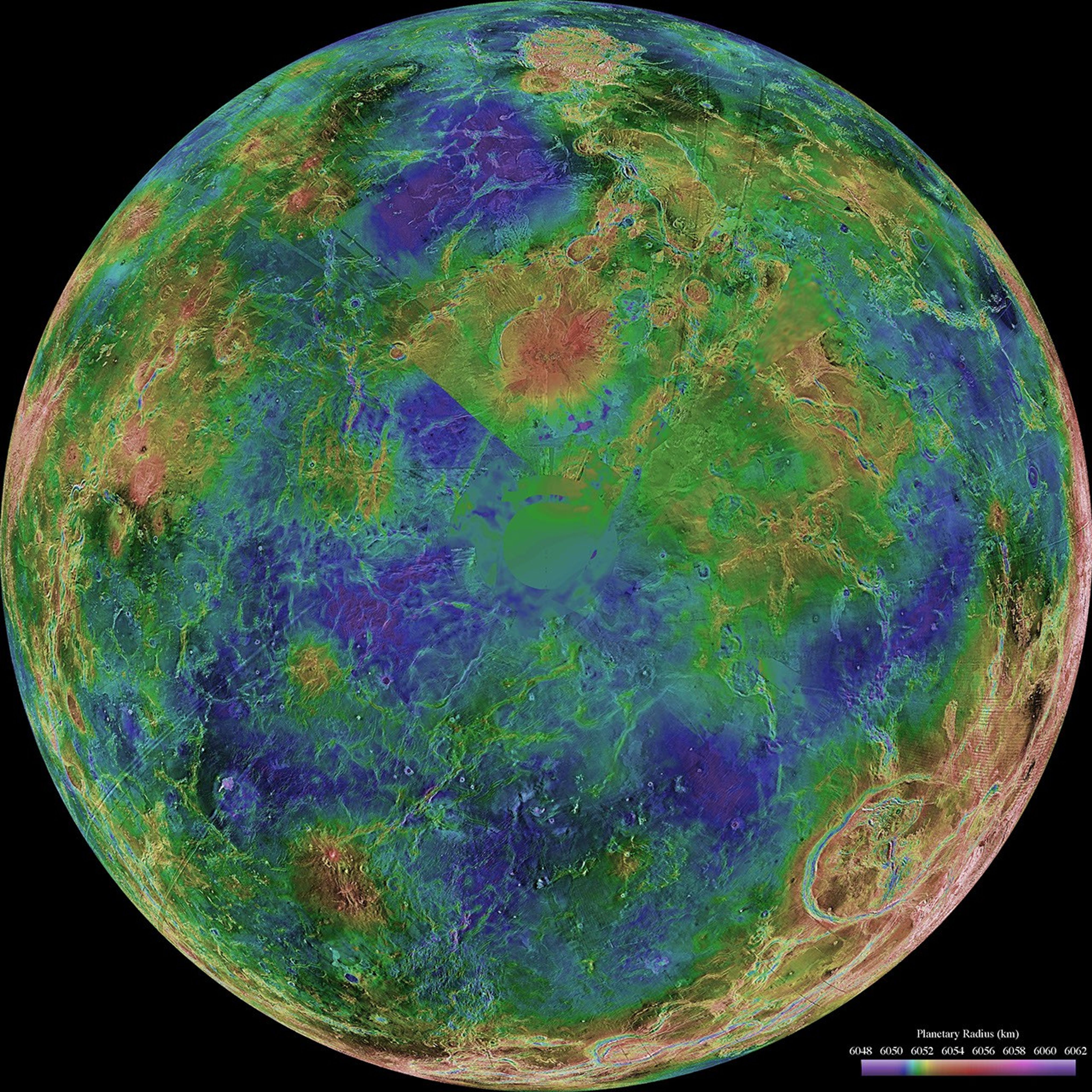
A spacecraft image can combine filters, radar data, mosaics or contrast processing. Its colors and detail can describe measurements that your eyes cannot see from Earth. The credit and original record identify the mission and treatment.
Mercury, Venus, Earth, Mars, Jupiter, Saturn, Uranus and Neptune appear together here for comparison. They were not photographed together. Their image scales, dates and instruments differ.
From Earth, unaided eyes show the bright planets as points. Binoculars can show Jupiter’s large moons under steady conditions. A telescope can show a few larger features when conditions allow.
Eight source records
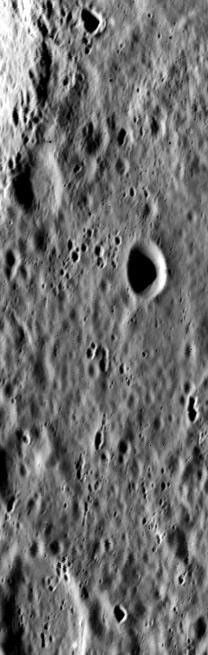
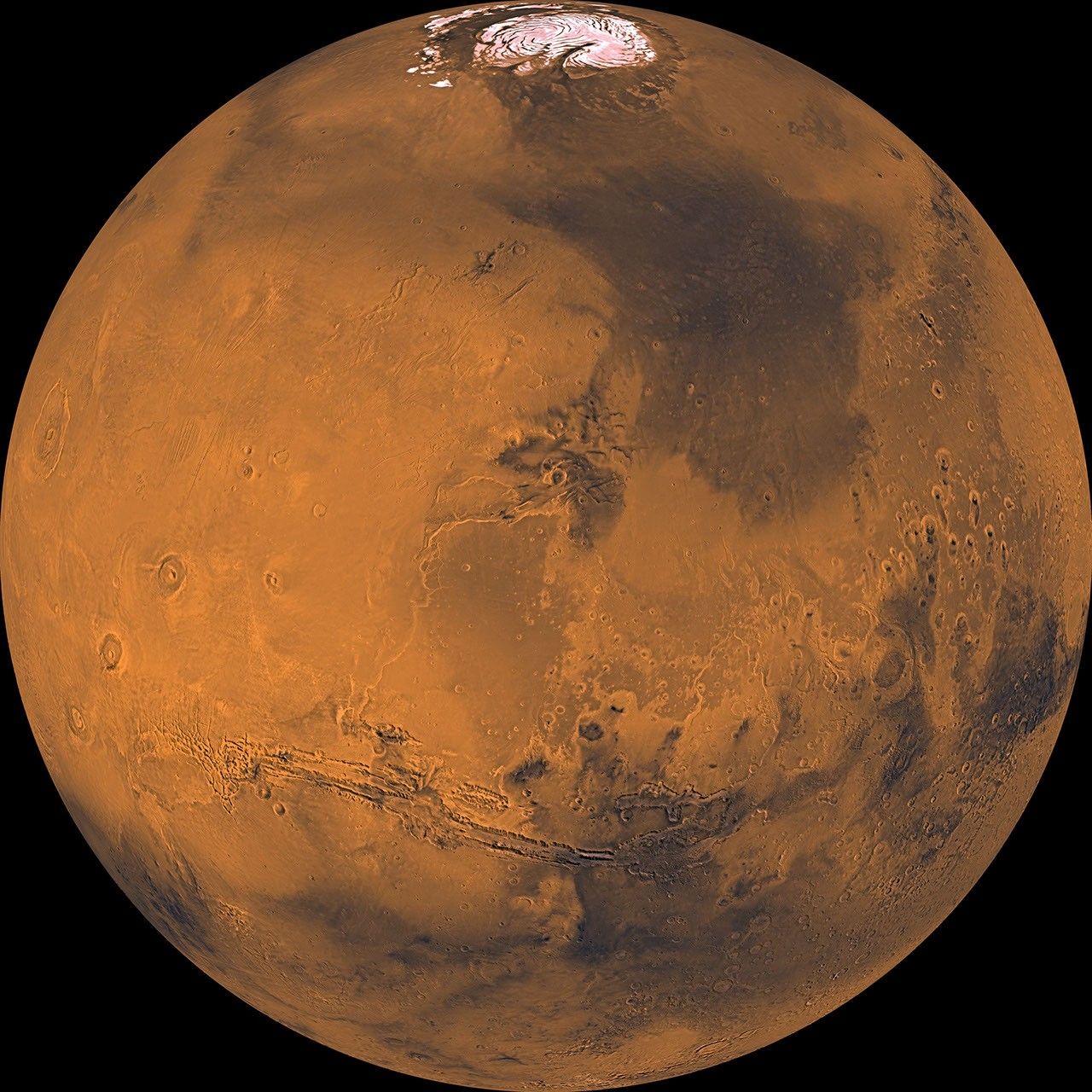
Mercury is a Mariner 10 observation. Venus combines Magellan radar with stated Arecibo, Venera and Pioneer Venus data. Mars is a processed Viking global mosaic with partly synthesized green data.
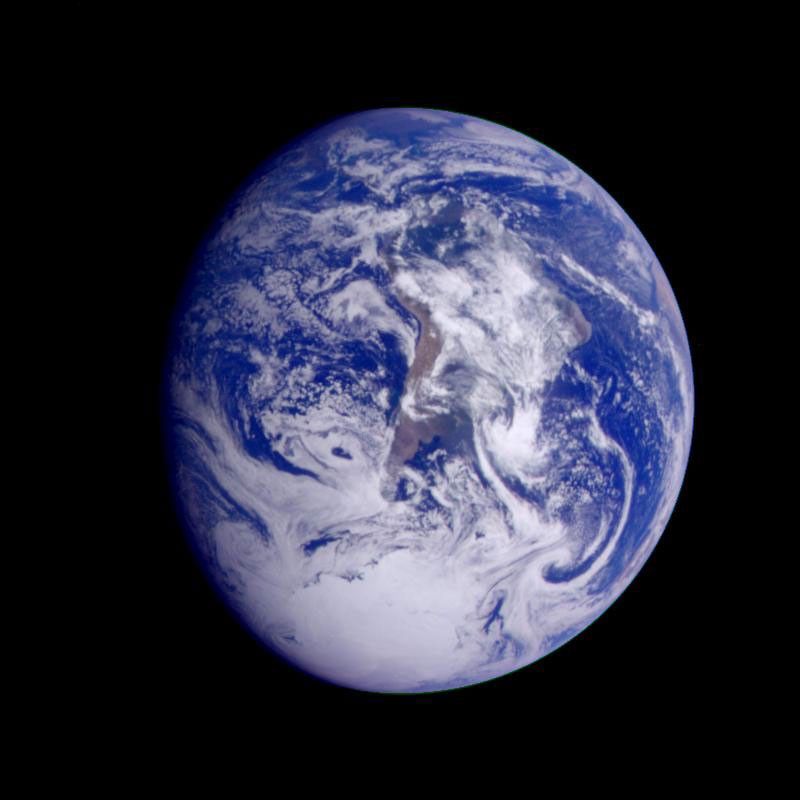
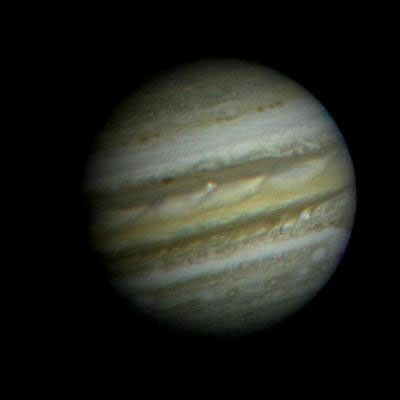
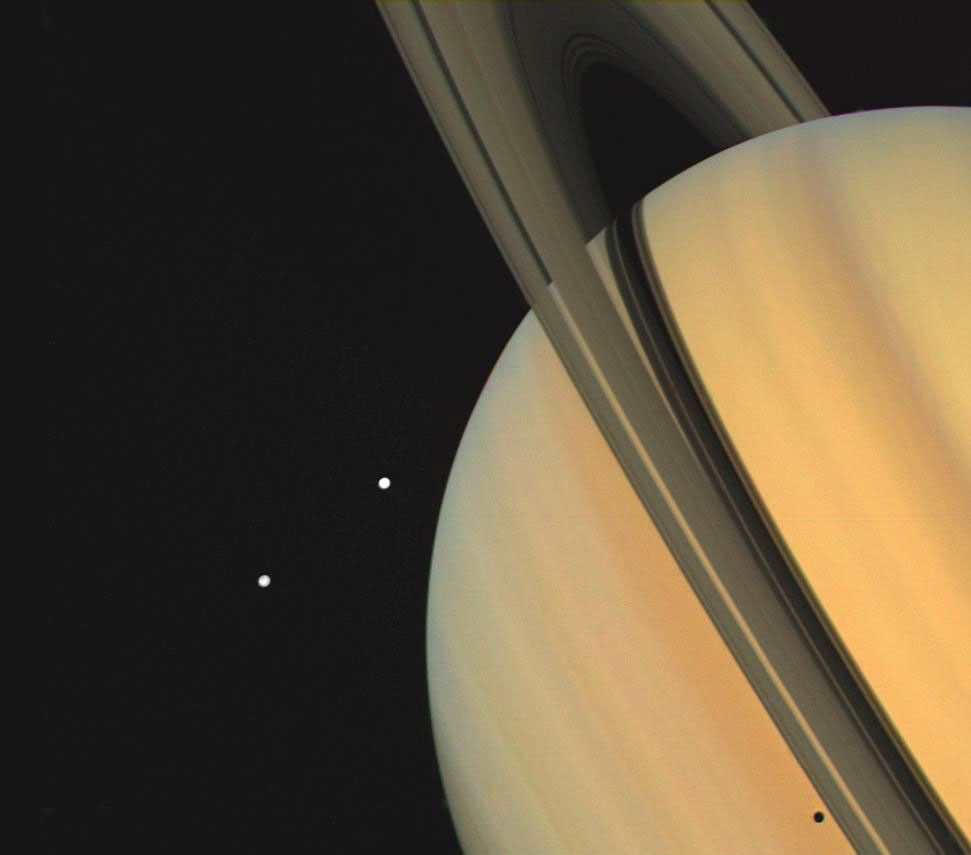
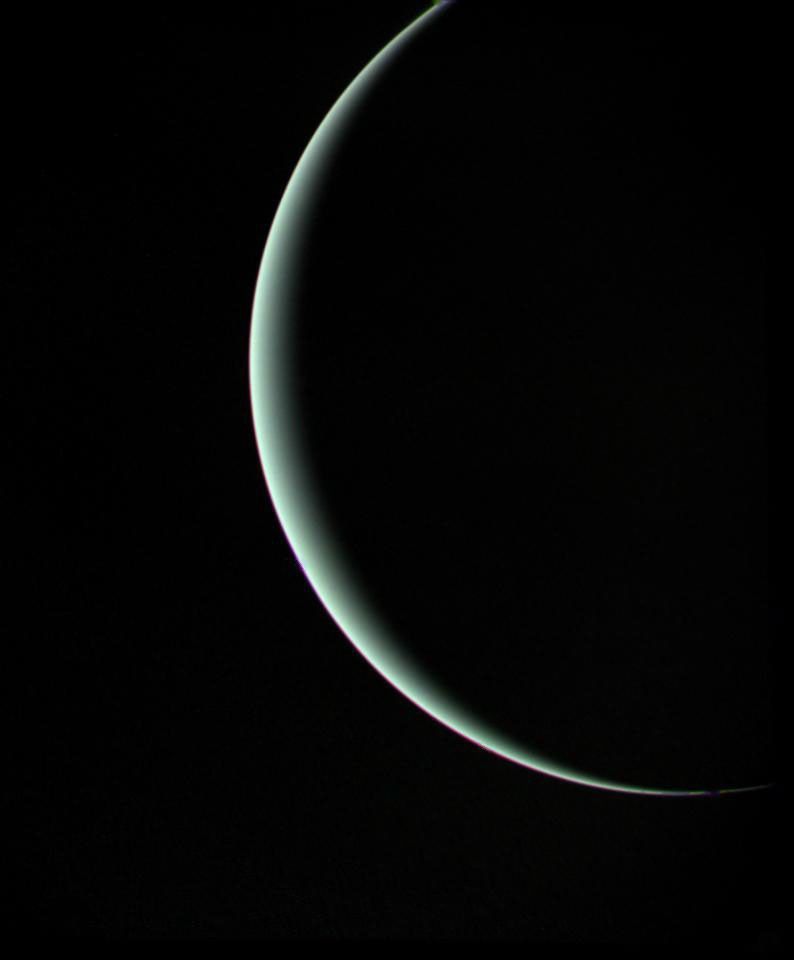
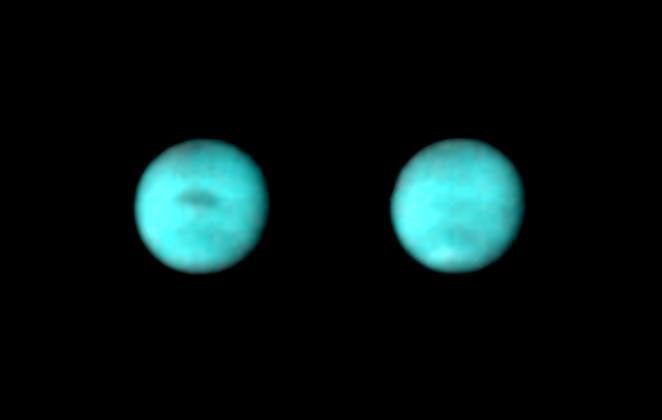
Voyager recorded Jupiter, Saturn, Uranus and Neptune. Galileo made the Earth composite. The credits below link to the original NASA Photojournal records. Each hosted file preserves its downloaded bytes.
These images explain planets. They do not predict tonight’s view or replace a local horizon check.
Spacecraft observation. Mariner 10 frame from the March 1975 encounter.
Credit: NASA/JPL · Original image. Unchanged downloaded file. No endorsement of SkyLumi implied.Radar and elevation composite. Magellan data with stated gap-filling mission data.
Credit: NASA/JPL/USGS · Original image. Unchanged downloaded file. No endorsement of SkyLumi implied.Spacecraft color composite. Galileo red, green and violet composite.
Credit: NASA/JPL · Original image. Unchanged downloaded file. No endorsement of SkyLumi implied.Processed global spacecraft mosaic. Viking frames calibrated, mosaicked and reprojected.
Credit: NASA/JPL/USGS · Original image. Unchanged downloaded file. No endorsement of SkyLumi implied.Spacecraft observation. Voyager 1 observation from 1979.
Credit: NASA/JPL · Original image. Unchanged downloaded file. No endorsement of SkyLumi implied.Spacecraft observation. Voyager 1 observed Saturn in 1980.
Credit: NASA/JPL · Original image. Unchanged downloaded file. No endorsement of SkyLumi implied.Spacecraft color composite. Blue, green and orange camera composite.
Credit: NASA/JPL · Original image. Unchanged downloaded file. No endorsement of SkyLumi implied.Contrast-enhanced spacecraft composite. Two views taken five hours apart.
Credit: NASA/JPL · Original image. Unchanged downloaded file. No endorsement of SkyLumi implied.